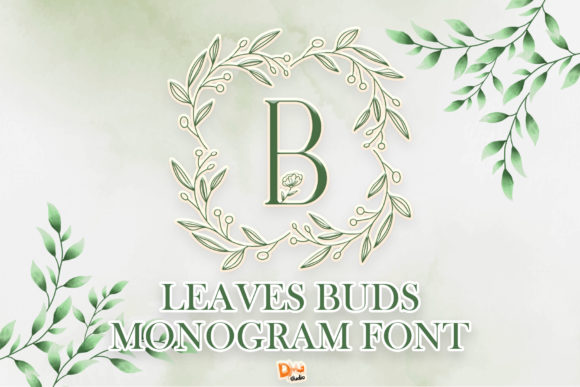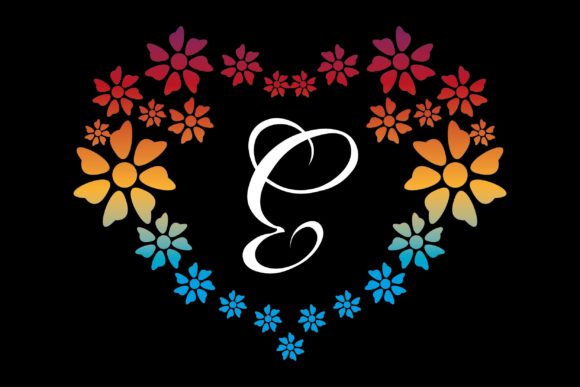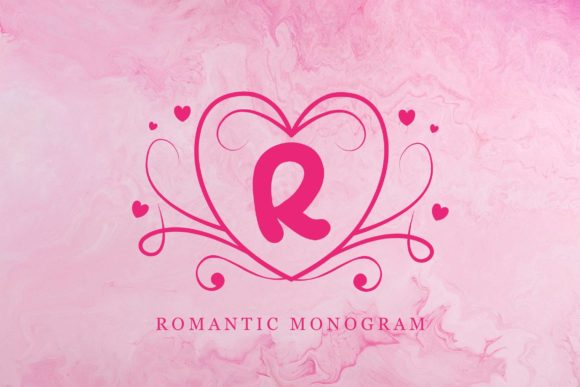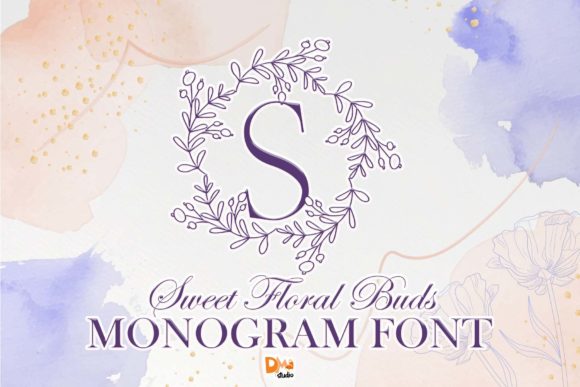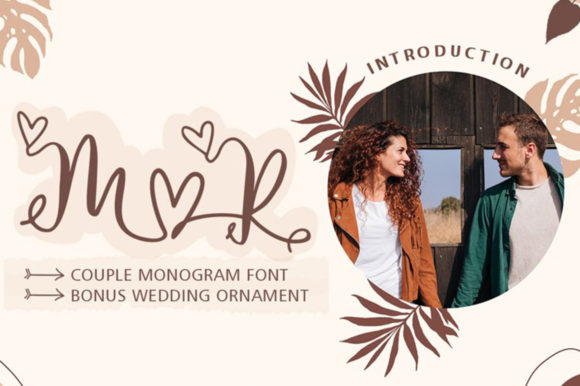
Couple Monogram: Romantic Font for Wedding Crafts & Labels
Last week, I sat down to finalize the label design for a small batch of soy candles I had been working on. The scent was called First Dance—a blend of vanilla, sandalwood, and a whisper of rose—and I wanted the packaging to feel intimate, celebratory, and softly elegant. I tried a clean sans serif, then a delicate script, but something felt off. Then I remembered a decorative font I had bookmarked months ago: Couple Monogram. I typed the words First Dance in preview mode, and everything clicked. The curves, the gentle flourishes, the way each letter seemed to hold hands with the next—it was exactly the romantic hand I needed.
That moment of discovery is one I revisit often as a handmade product maker. Finding a typeface that carries the emotional weight of a product without overpowering it is rare. Couple Monogram does exactly that. It is a romantic decorative font designed for wedding-related projects and any design that calls for a tender, heartfelt touch. But calling it a wedding font alone undersells its versatility. Over the past few months, I have used it across candle labels, greeting cards, boutique tags, printable wall art, and even a few mug designs—and it has transformed the way my products present themselves to customers.
A Typeface That Feels Like a Love Letter
Couple Monogram belongs to the decorative category, and it wears that badge proudly. Every character carries a sense of occasion. The letterforms are elegant without being fussy, romantic without drifting into saccharine territory. There is a warmth in the curves and a gentle structure that makes each word look hand-drawn in ink. It is not a font that screams for attention; instead, it invites the viewer to lean in, read slowly, and feel the sentiment behind the design.
For makers like us, that is gold. When a customer picks up a product—whether it is a soy candle, a wedding invitation, or a packaged gift tag—the typography is often the first thing they notice, even if subconsciously. A font like Couple Monogram tells them this was made with intention. It communicates care, celebration, and a personal touch that mass-produced items cannot replicate.
From Candle Labels to Wedding Invitations: Where This Font Shines
I started small with my first Couple Monogram project: a limited run of anniversary candles. The label featured the couple’s names in the font, with a small heart graphic between them. The effect was immediate. The names looked like they belonged on a vintage wax seal or a hand-delivered invitation. Friends and family asked if I had commissioned a calligrapher. That feedback pushed me to experiment further.
Here is where I have found Couple Monogram to be most effective in my own product line:
- Wedding invitations and save-the-dates: This is the font’s natural home. It works beautifully for the couple’s names, the wedding date, and short phrases like “Join Us” or “Celebrate Love.” I avoid using it for long body text, but as a display element, it is breathtaking.
- Candle labels: Especially for romantic scent names like “Honeymoon,” “Forever Yours,” or “Til Dawn.” The font adds a premium feel to even the simplest glass jar.
- Boutique packaging tags: I print gift tags with the shop name or a thank-you message in Couple Monogram, and customers often tuck them into journals or use them as bookmarks. The font makes even a simple tag feel like a keepsake.
- Printable wall art: Single-word prints, quotes about love, or custom name art. I have tested it on 8x10 prints, and the readability holds up beautifully when the font size is kept generous.
- Mugs and tote bags: I use vinyl cutouts for these, and the font’s curves cut cleanly on my machine. Short phrases like “Mr & Mrs” or “Love You More” look stunning.
For anyone creating wedding stationery, Couple Monogram is a dream. It elevates the entire suite—from the invitation envelope to the ceremony program to the thank-you card. I recently designed a welcome sign for a friend’s wedding using the font, and it became a backdrop for photos. The couple loved that the lettering echoed the romantic mood of the day without needing any extra embellishment.
Product Presentation and Perceived Quality
One lesson I have learned as a seller is that customers judge quality within seconds. In a crowded marketplace, the difference between a product that feels handmade and one that feels homemade often comes down to typography and finishing details. Couple Monogram gives my products an immediate upgrade. A candle label that might have looked plain with a basic serif suddenly reads as luxurious. A greeting card that could have felt ordinary becomes gift-worthy.
The font also helps with brand consistency. Once I settled on Couple Monogram for my anniversary and wedding-themed products, customers began to recognize that romantic style as part of my shop’s identity. They knew when they saw those flowing letters that the product was from me, and that it carried a certain level of care. For a small business owner, that kind of visual shorthand is invaluable.
Practical Tips for Cutting Machines, Printing, and Small-Scale Production
Working with a decorative font on physical products requires a bit of testing, and I have found a few reliable strategies that keep my yields high and my frustration low.
- Readability at small sizes: Couple Monogram shines at medium to large display sizes. On small product tags or tiny sticker labels, I keep the text to two or three words. A single name or a short phrase like “Thank You” reads clearly. For longer lines, I pair it with a simple serif or sans serif companion.
- Cutting machine performance: When I use the font for vinyl projects on mugs or tote bags, I make sure to weld overlapping letters in my design software. The curves cut smoothly, and I have not had issues with thin strokes breaking, provided I am using quality adhesive vinyl and a properly calibrated blade.
- Printing on paper and cardstock: For printed products like wall art and greeting cards, I always run a test print first. The font’s fine lines and flourishes can be delicate on uncoated paper, so I adjust the print settings to high quality and sometimes use a slightly heavier paper weight to preserve the detail.
- Mockup previews for listing images: I use Couple Monogram in my digital mockups to show how a product will look. The font photographs well and conveys the romantic mood I want buyers to feel before they click purchase.
When designing for physical merchandise, I also consider the substrate. On a cream-colored candle label, the font looks vintage and soft. On a crisp white invitation, it reads as modern and refined. On a kraft paper tag, it takes on a rustic, handcrafted feel. This versatility means I can use the same font across different product lines without the design feeling repetitive.
Font Pairing Ideas That Work
No single font is an island, and Couple Monogram pairs beautifully with a range of companions. In my own shop, I have settled on a few go-to combinations:
- Clean sans serif: For body text, details, or directions on wedding invitations, a clean sans serif keeps the design grounded. The contrast between flowing decorative lettering and simple modern lines feels intentional and fresh.
- Simple serif: If I want a more traditional or timeless look, I pair Couple Monogram with a classic serif for the body. This combination works especially well for formal wedding stationery and anniversary prints.
- Handwritten font: For a casual, organic feel, I sometimes use a relaxed handwritten font for secondary text. The two styles share a personal, unpolished charm that works well on gift tags and small packaging.
- Bold display font: When I need an anchor word to stand out on a product label or a sign, I use a bold display font for the main title and reserve Couple Monogram for the decorative or romantic accent. This keeps the design balanced and ensures readability from a distance.
Licensing, Formats, and What to Check Before You Sell
Before I ever use a font on a product for sale, I check the licensing terms. Commercial use is essential for anyone running a handmade business, selling printables, or creating merchandise. Couple Monogram is a premium font, and it supports commercial use under the standard license, which covers physical products, digital templates, and printable designs. I always read the fine print to confirm that my use—whether on a shirt sold at a market or a digital invitation template listed in my shop—is permitted.
The font comes in standard formats compatible with most design software, which means I can use it on my laptop and import it into my cutting machine software without issues. For anyone selling SVG-style designs or cut files, it is important to verify that the font license allows embedding or that you have the right to convert the font into a vector format for sale. I also check for multilingual support, especially if I am designing for a diverse customer base. Couple Monogram includes a range of characters that cover common European languages, which expands the reach of my products.
Alternates, ligatures, and swashes are another consideration. Some decorative fonts include stylistic alternates that can transform the look of a word dramatically. When I use Couple Monogram, I experiment with different letter combinations to see if there are built-in ligatures that add an extra touch of elegance. Even without heavy swashes, the font’s natural rhythm creates a beautiful, cohesive word shape.
When to Reach for Couple Monogram and When to Step Back
Like any design tool, Couple Monogram has its sweet spot. I reach for it when I want the text itself to carry the emotional weight of the product. It is perfect for single words, couple names, short phrases, and decorative titles. For long paragraphs, directions, or fine print, I let a simpler typeface do the heavy lifting. The font’s personality is strongest when it is given room to breathe.
In my shop, I have used Couple Monogram on seasonal products as well. A holiday tag that says “Merry Christmas” in the font feels warm and personal. A Valentine’s Day card with “Be Mine” in those flowing letters sells itself. Even for non-wedding products, the romantic quality can be a differentiator. A soap label with the word “Bloom” in Couple Monogram feels like a gift, not just a product.
The font has become a quiet signature in my work. It shows up on the tags of every anniversary candle I make. It appears on the welcome sign at weddings where friends ask me to contribute. It is on the wall art I gift to couples celebrating milestones. And every time I open a design file and type those first few words, I feel the same spark I felt that afternoon with the First Dance candle. Couple Monogram does not just decorate a product—it helps tell the story behind it.